Back Pain After Shoveling Snow: Why It Happens and What Helps
How did you fare with the last big snowstorm?
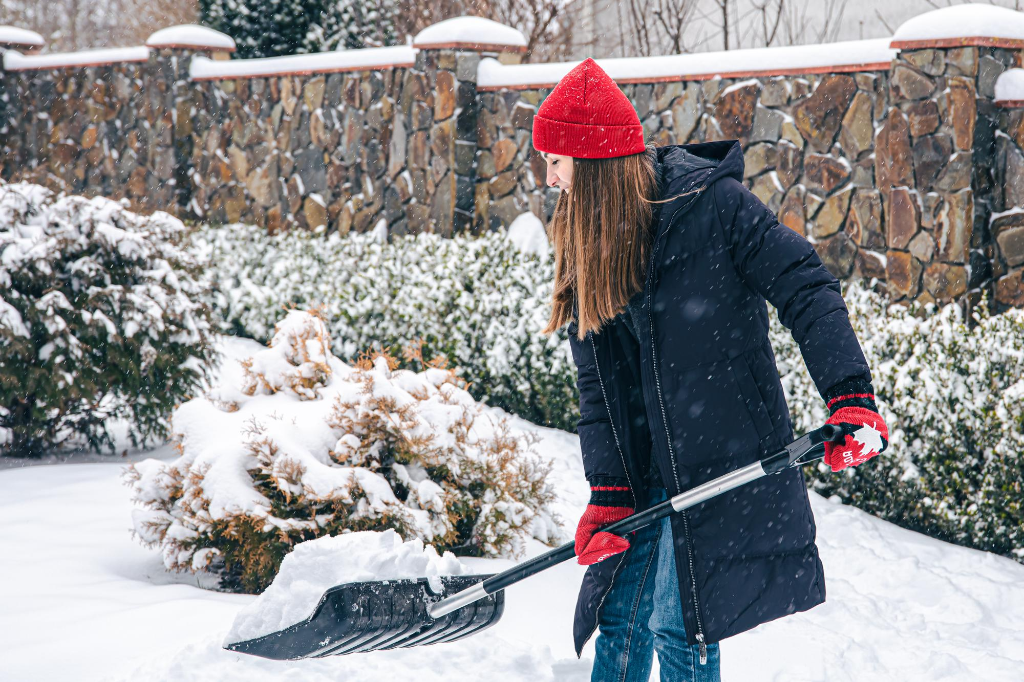
Every winter, after the first major snowfall, the same thing happens. People walk into the office standing unnaturally upright, staring straight ahead. They turn their entire body instead of their neck. Some politely decline to sit down.
Almost always, the explanation is the same:
"I shoveled snow yesterday."
Back pain after shoveling snow is one of the most common winter injuries I see, and it often catches people by surprise. Shoveling doesn't seem dangerous, but it places significant strain on the spine, especially when combined with cold temperatures and poor body mechanics.
Let's break down why snow shoveling is so rough on your back, when to worry, and what actually helps you recover.
Why does shoveling snow cause back pain?
Most snow-related back injuries are muscle strains.
A muscle strain occurs when muscle fibers are overstretched or partially torn during physical activity. Shoveling snow creates the perfect conditions for this to happen:
- Heavy, awkward lifting
- Repetitive twisting of the spine
- Sudden bursts of force
- Cold temperatures that tighten muscles
- Little to no warm-up beforehand
Even people who are otherwise active can develop lower back pain after shoveling. Cold muscles are less flexible and fatigue quickly, making them far more prone to injury.
The result is often stiffness, soreness, and pain that develops later that day or the following morning.
Do I need an X-ray or MRI for back pain after shoveling?
In most cases, no imaging is needed.
If your back pain started several hours after shoveling (or the next morning) it is usually related to muscle strain and inflammation, not a structural injury.
However, imaging may be appropriate if:
- The pain started suddenly after a clear trauma (like slipping and falling on ice)
- You have severe pain that does not improve
- You have a chronic condition that puts your spine at risk, like osteoporosis or cancer
You should seek urgent medical attention if you experience red flag symptoms, including:
- New numbness or weakness
- Loss of bowel or bladder control
- Fever or unexplained weight loss
These symptoms are uncommon, but important to evaluate ASAP.
How do you make snow-shoveling back pain better?
This is often the most surprising part:
The best way to recover is to keep moving (within reason).
When your back hurts, your natural instinct is to lie down and rest. While a little rest can help, prolonged inactivity often makes things worse by increasing stiffness and slowing recovery.
Instead, focus on staying active with:
- Walking
- Light daily movement
- Gentle stretching as tolerated
- As pain improves, gradually returning to normal activity and exercise to speed up the recovery process further
Pain should guide you, but it shouldn't completely stop you.
When should you see a doctor?
It's reasonable to see your doctor if:
- Your pain is so severe that you feel nearly immobile
- Symptoms are not improving after several days
- Pain is interfering with sleep or daily function
- You have any of the red flag symptoms mentioned above
It's also okay to seek care simply because something doesn't feel right. Back pain is not one-size-fits-all, and a personalized plan can help you recover more safely and confidently.
Image by gpointstudio on Freepik
Preparing your back for the next snowstorm
You can minimize your risk of back pain from shoveling by:
- Warming up before shoveling (like before any big exercise)
- Taking frequent breaks
- Avoiding excessive twisting
- Using your legs rather than your back
- Pushing snow when possible instead of lifting
- Shoveling smaller amounts more frequently
If winter tends to leave you sidelined every year, addressing strength, mobility, and movement patterns ahead of time can make a meaningful difference.
Is your back ready for the next storm?
If your back still isn't feeling right, or if you want to prevent this from happening again, we can help.
At Bespoke Primary Care, we take a personalized approach to musculoskeletal injuries, recovery, and prevention. Whether you're dealing with acute back pain after shoveling or want guidance to stay active through the winter, we tailor care to your body, your lifestyle, and your goals.
If your back isn't ready for the next snowfall, give us a call or visit bespokeprimarycare.com
I'm happy to evaluate your symptoms and help get you blizzard-ready.
Schedule a Consultation