How Much Should a Woman Be Able to Squat?
Squat strength is highly individual — but understanding what's typical for your experience level, and why it matters, can help guide a smarter approach to training at any age.
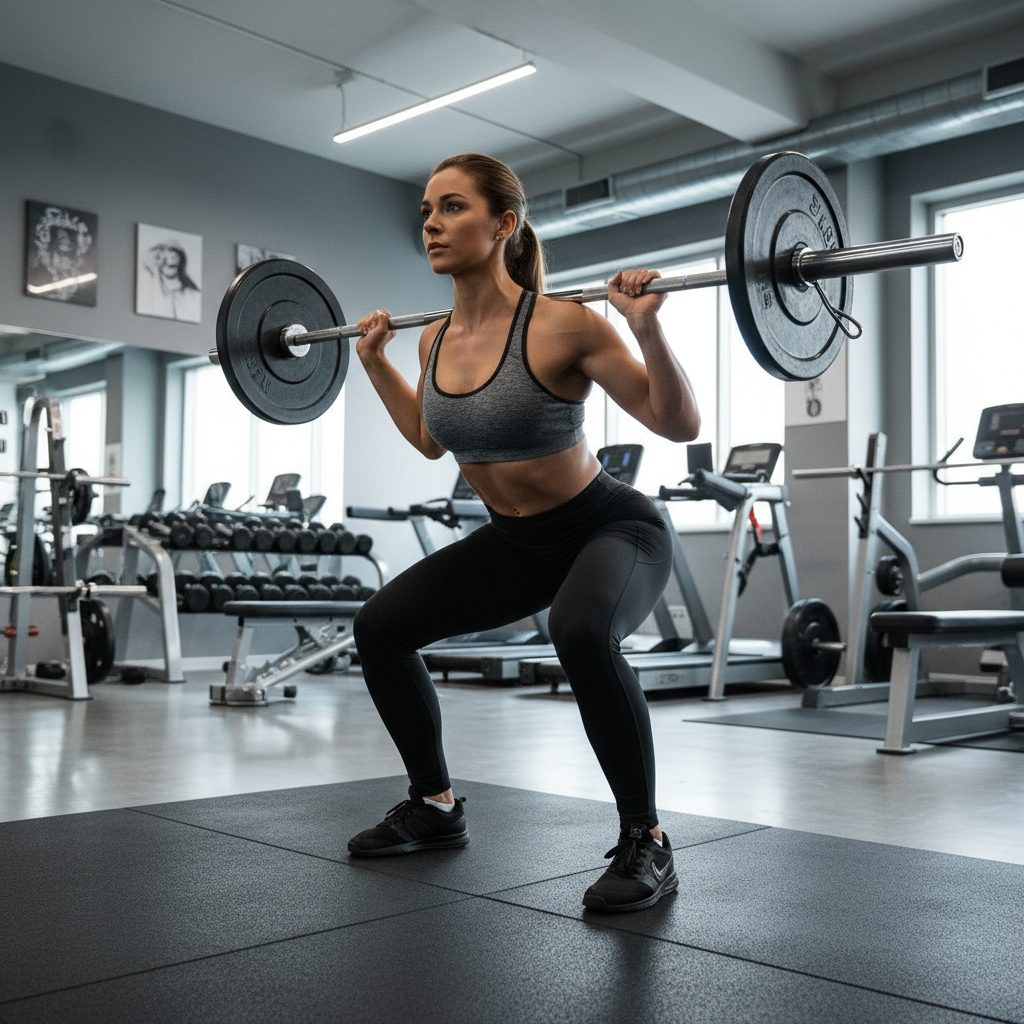
Dr. Michael Richardson, founder of Bespoke Primary Care in Wellesley, Massachusetts, was recently featured in Health magazine discussing squat strength, bone health, and why resistance training becomes increasingly important as women age. Below, we highlight his insights alongside key takeaways from that article.
How Much Should a Woman Be Able to Squat?
There's no single answer — squat strength depends heavily on training experience, body composition, and technique rather than age alone. General benchmarks cited in the article suggest:
- •Beginners may squat around 40–60% of their body weight while developing technique
- •After several months of consistent training, that often increases to 60–80% of body weight
- •Recreational lifters with a year or more of training may squat close to their body weight
- •More experienced lifters may exceed 120% of their body weight
These are reference points, not strict standards. The more important goal is consistent progress and good mechanics.
Why Squat Strength Matters More After 50
Women over 50 face a higher risk of osteoporosis and falls. Research consistently shows that strength training can significantly improve bone density in this age group — and squats, in particular, train a movement pattern that matters in everyday life.
"Studies show that moderate-intensity resistance training about three days per week can meaningfully support bone health."
Beyond bone density, Dr. Richardson emphasized the functional value of squatting well:
"Weight squats build strength, but more importantly, they train a functional movement pattern that we rely on in day to day life. Being able to squat well helps with everyday actions like sitting, standing, and maintaining balance. This becomes increasingly important as we age and try to prevent falls."
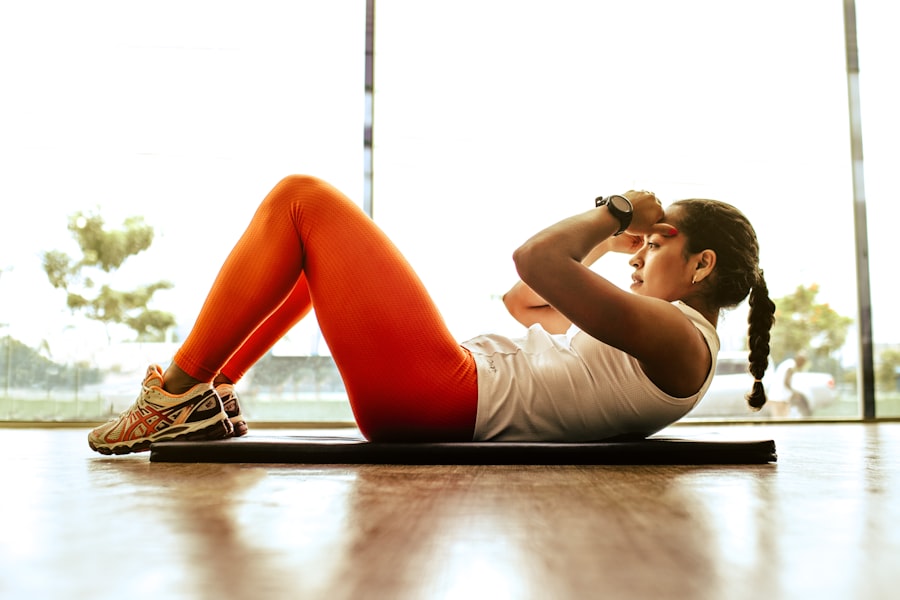
Age vs. Training: What Actually Matters
Age is often overemphasized when discussing fitness benchmarks. According to experts cited in the Health article, a woman in her 40s with good technique and low body fat may out-squat a 20-year-old with poor form and low muscle mass. Strength is built — not inherited — and the variables most within your control are consistency, progression, and recovery.
Tips to Safely Increase Your Squat Strength
Whether you're just starting out or looking to improve, these principles from the experts featured in Health can help:
- •Be consistent: Aim to squat two to three times per week, with 24–48 hours of rest between sessions.
- •Progress gradually: For beginners, 2–3 sets of 8–15 reps is a great starting point. Increase total volume by 5–10% per week, adjusting only one variable at a time.
- •Work on mobility: Ankle and hip mobility, hamstring and quad flexibility, and core stability all directly affect squat depth and safety.
- •Prioritize form and recovery: Proper technique and adequate rest — along with sufficient protein intake — are essential for building strength safely over time.
The Bigger Picture: Strength and Longevity
Squatting isn't just about performance in the gym. Research shows that total body strength and lean muscle mass are directly correlated with longevity. Building strength now — and maintaining it over time — is one of the most evidence-based investments you can make in your long-term health and independence.
At Bespoke Primary Care, Dr. Richardson works with patients to build sustainable fitness habits grounded in preventive medicine — including physician-guided programs designed to improve strength, mobility, and metabolic health at every stage of life.
Read the full article featuring Dr. Richardson's insights:
health.com — How Much Weight Should a Woman Be Able to Squat?Ready to Build Strength the Right Way?
Learn about our physician-guided fitness programs designed to improve strength, mobility, and long-term health.
View Fitness Programs